News
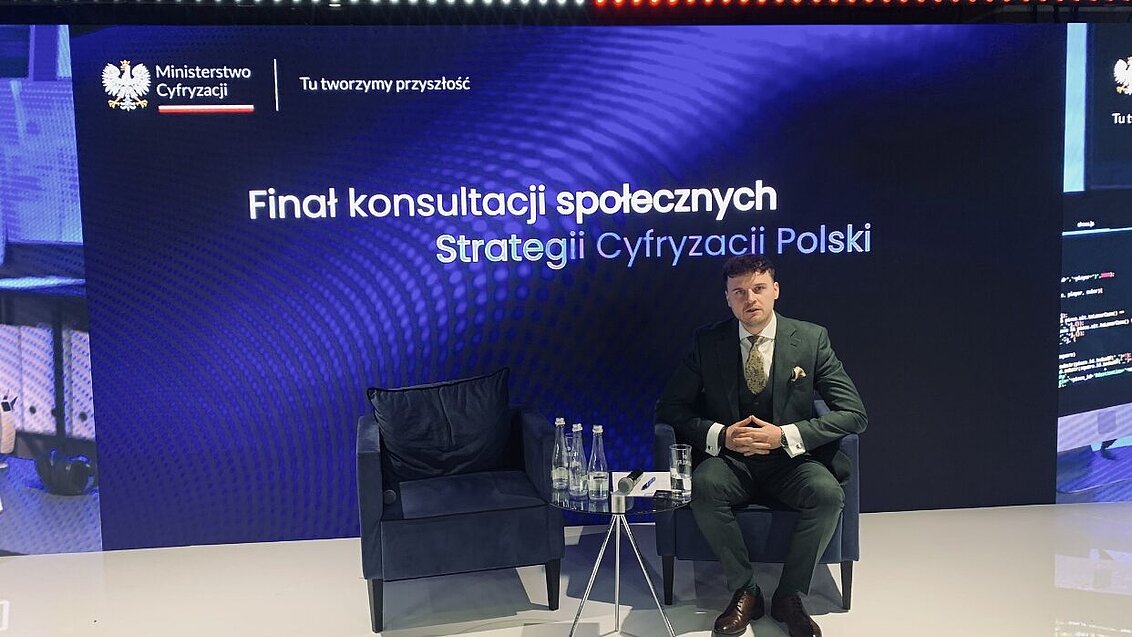
On December 11, we had the privilege of participating in public consultations organized by the Ministry of Digital Affairs regarding the draft Digital Strategy of Poland 2035. The event provided us with a platform to share our insights and recommendations from the perspective of the research and academic sector.
"Security, Europe!" – Cybersecurity as the Foundation of the Future
The motto "Security, Europe!" will guide Poland’s presidency of the EU Council in 2025. We are pleased that security – including cybersecurity – will serve as one of its key pillars. We firmly believe that cybersecurity is the cornerstone of modern Europe: without it, there can be no stability, development, or public trust.
As part of these efforts, we are excited to announce that during Cyber Week in Kraków in May 2025, we will present our ongoing project, SOCCER. This initiative focuses on strengthening the resilience of the academic sector against cyber threats by developing and implementing Security Operations Centers (SOC).
Cybersecurity in Academia – A Growing Challenge
During the consultations, we emphasized that one of the most pressing challenges remains cybersecurity in higher education institutions and research organizations. The statistics underscore the urgency of addressing this issue:
- According to Checkpoint, the number of cyberattacks targeting the academic sector globally increased by 75% in Q3 2024 compared to the same period in 2023.
- Education and research have become the most attacked sector worldwide, with an average of 3,828 attacks per week per institution—exceeding the levels observed in the government and healthcare sectors.
The most common threats include:
- Ransomware attacks
- Data theft
- Phishing schemes
Academic institutions store data of strategic importance, including research findings, dual-use technologies, and personal information. Each cyberattack threatens not only the integrity of this data but also Poland’s position in the global technological race.
Our Recommendations for the Digital Strategy
In response to these challenges, we proposed the following during the consultations:
- Financial support for academic institutions at both the national and EU levels.
- Building synergies between the public and private sectors in the field of digital security.
- Addressing the specific needs of academic institutions developing critical technologies, which are frequent targets of cyberattacks.
The Digital Strategy of Poland is a step in the right direction. However, to meet the challenges of the digital age, close collaboration among all stakeholders—including public administration, private enterprises, and the academic sector—is essential.
We extend our gratitude to the Ministry of Digital Affairs for their openness to dialogue and for providing the opportunity to contribute to building a secure and innovative digital Poland.
Let’s work together to ensure that Europe is not only secure but also prepared for the challenges of the future!